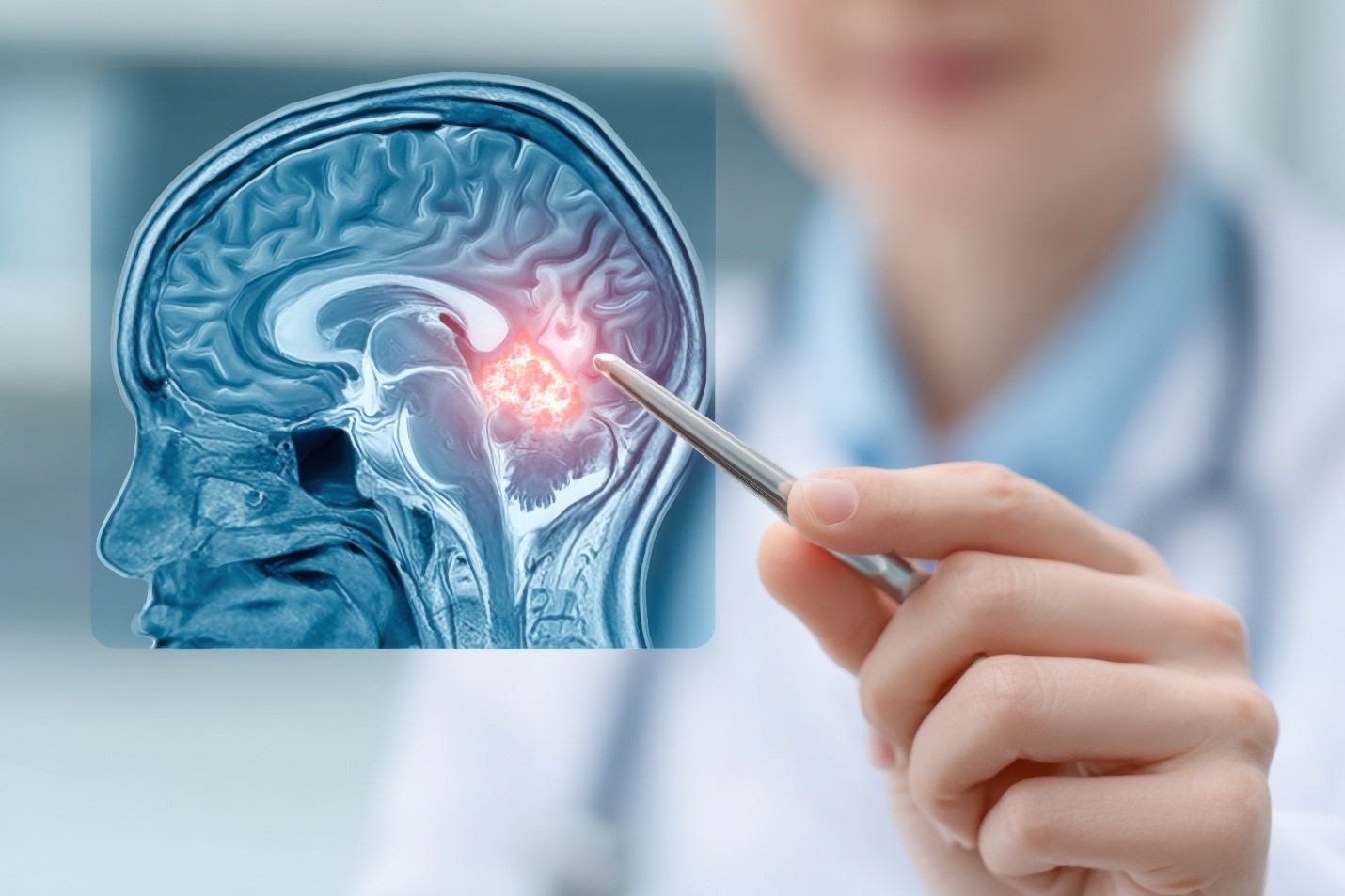
Learning that you or someone you love might have a brain tumor or mass can feel overwhelming. It’s natural to experience worry, fear, and uncertainty while waiting for answers. In times like these, having clear information and compassionate care can bring comfort and direction.
At Monument Imaging, we understand the importance of both. A CT (Computed Tomography) scan is often one of the first steps doctors take when symptoms such as persistent headaches, dizziness, seizures, or sudden changes in vision or behavior occur. This advanced imaging provides detailed pictures of the brain, helping your healthcare team uncover the possible cause of symptoms and plan the best path forward.
What a Brain Tumor or Mass Means
A brain tumor or brain mass simply means there’s an area in the brain that looks different than normal tissue. It’s important to remember that:
- Not all brain masses are cancerous.
- Benign tumors are non-cancerous and tend to grow slowly.
- Malignant tumors are cancerous and may grow or spread more quickly.
Sometimes, what appears as a “mass” on imaging could actually be swelling, bleeding, an infection, or fluid buildup—not a tumor at all. That’s why accurate imaging and professional evaluation are essential to understanding what’s really going on.
What Is a CT Scan?
A CT (Computed Tomography) scan is a safe and gentle imaging test that helps doctors see what’s happening inside your body. Using a special X-ray and advanced computer technology, it creates clear, detailed pictures — giving your healthcare team the information they need to better understand your symptoms and guide your care.
CT scans are often the first step toward finding answers because they are:
Quick: Most scans take only a few minutes.
Non-invasive: No surgery, needles, or cuts are involved.
Comfortable: Most patients find the process simple and pain-free.
Sometimes, a contrast dye may be used to highlight specific areas like blood vessels or unusual tissue. This helps your doctor see details more clearly for an accurate diagnosis.
How CT Scans Help Diagnose Brain Tumors or Masses
CT scans play an essential role in detecting and evaluating abnormalities in the brain. They help healthcare providers:
- Identify the location of a tumor or mass
- Measure its size and shape
- Detect bleeding, swelling, or pressure within the brain
- Assess urgent conditions that require immediate attention
Because of their speed and availability, CT scans are especially valuable in emergency situations, such as sudden neurological symptoms or head trauma.
Supporting Treatment Decisions and Ongoing Care
Once a brain tumor or mass is identified, CT scans continue to be useful throughout treatment and follow-up care. Doctors rely on these images to:
- Plan medical or surgical treatment
- Monitor changes in the brain over time
- Evaluate how the body responds to therapy
- Detect complications early
This imaging support allows healthcare teams to make informed, patient-centered decisions throughout the care journey.
What Patients Can Expect During a Brain CT Scan
A brain CT scan is usually straightforward and stress-free. During the exam:
- The patient lies comfortably on a scanning table
- The scanner moves briefly around the head
- The procedure typically lasts only a few minutes
If contrast dye is used, some patients may feel a temporary warm sensation. Medical staff are present throughout the exam to ensure safety, comfort, and support.
A Message of Reassurance
Facing the possibility of a brain tumor or mass can be overwhelming. It is natural to feel anxious, uncertain, or even afraid. Modern imaging technology, like CT scans, provides clear and detailed images of the brain, helping doctors make timely, informed decisions and plan care with confidence.
Early detection and an accurate diagnosis can have a significant impact on your treatment journey. With the support of advanced imaging and a compassionate healthcare team, patients can move forward with clearer understanding, well-informed choices, and renewed hope for the path ahead.
We understand that every scan represents a real person with real concerns. Our goal is not only to provide high-quality diagnostic imaging, but also to create a calm, respectful, and supportive experience for every patient.
We offer:
- Advanced CT imaging technology
- Accurate and timely results
- Professional, compassionate staff
- Clear guidance throughout the imaging process
Whether you are undergoing imaging for the first time or returning for follow-up care, our team is committed to supporting you with dignity, comfort, and clarity.
At Monument Imaging Clinic, every image is taken with care, because your health, peace of mind, and trust matter to us.
References:
- American Cancer Society. (2023). Brain and spinal cord tumors in adults.
- RadiologyInfo.org. (2023). CT scan of the brain.
- World Health Organization. (2021). Classification of tumors of the central nervous system (5th ed.).
- National Institute of Neurological Disorders and Stroke. (2022). Brain tumors information page.